
Precision Balances for Perfume, Oud & Attar
0.001 mg to 0.01 g readability · static-free weighing for oud oil · Deira showroom · JAFZA stock
Professional perfumery is done by weight, never by volume — aromatic materials differ in density, so a millilitre of one oil is not a millilitre of another, and a formula reproduced by volume will not smell the same twice. The UAE sits at the centre of this trade: the national perfume market is valued at roughly USD 749 million and growing at about 9% a year, and oud is sold by the gram much like gold. A&D Gulf supplies A&D Japan precision balances to perfume houses, oud distillers, and souk traders across Dubai and the GCC, from our JAFZA base and our Deira showroom.
Key Requirements in This Sector
- 0.01 g readability for standard formulation; 0.001 g or finer for micro-dosing precious materials
- Static elimination when weighing oud oil, resins, and fine aromatic powders
- Density determination for oud-oil grading and resin-content checks
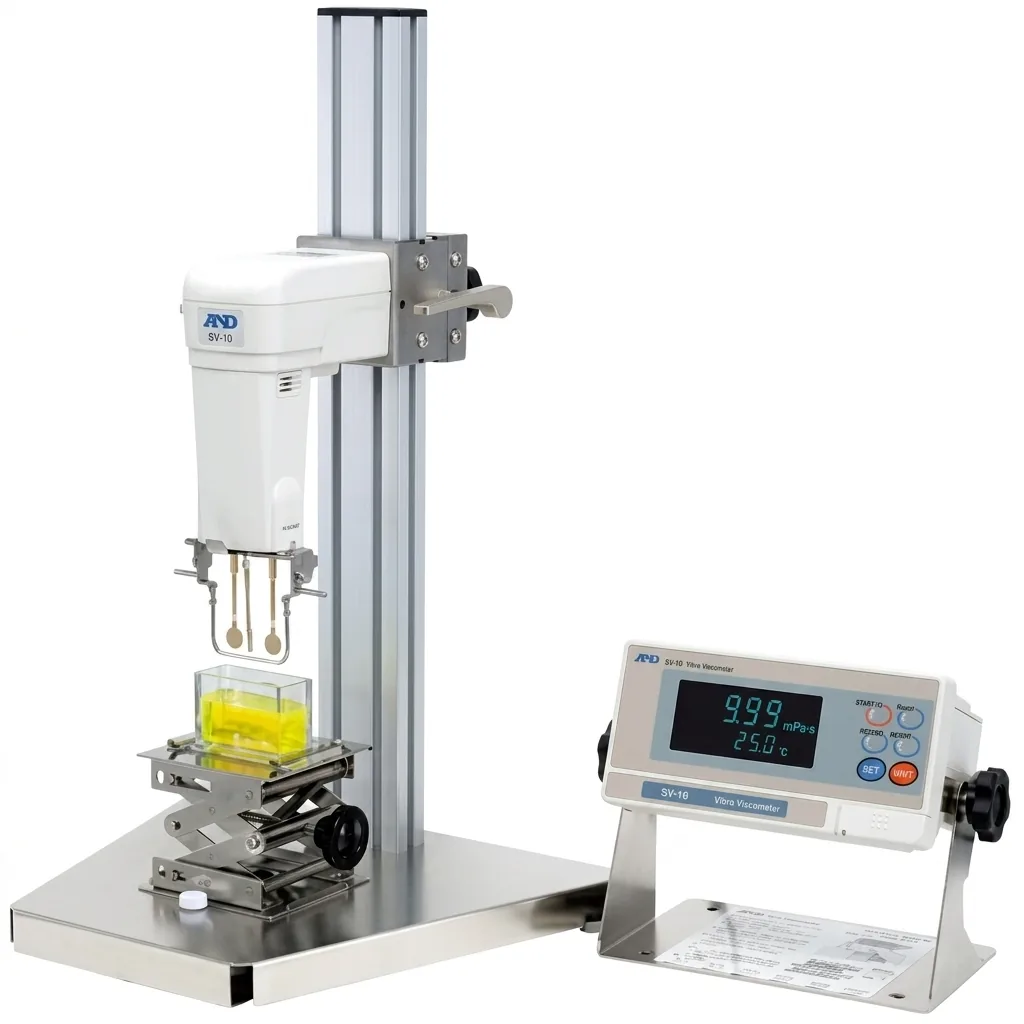
- Small-sample viscosity measurement that does not waste expensive oil
- Fast stabilisation — dozens of weighings per formula, every batch
- Compact footprint for a perfumer's bench or a souk counter
- Internationally traceable calibration certificates
Not sure which instrument fits your perfume, oud & attar work? Tell us what you weigh and we will point you at the right one.
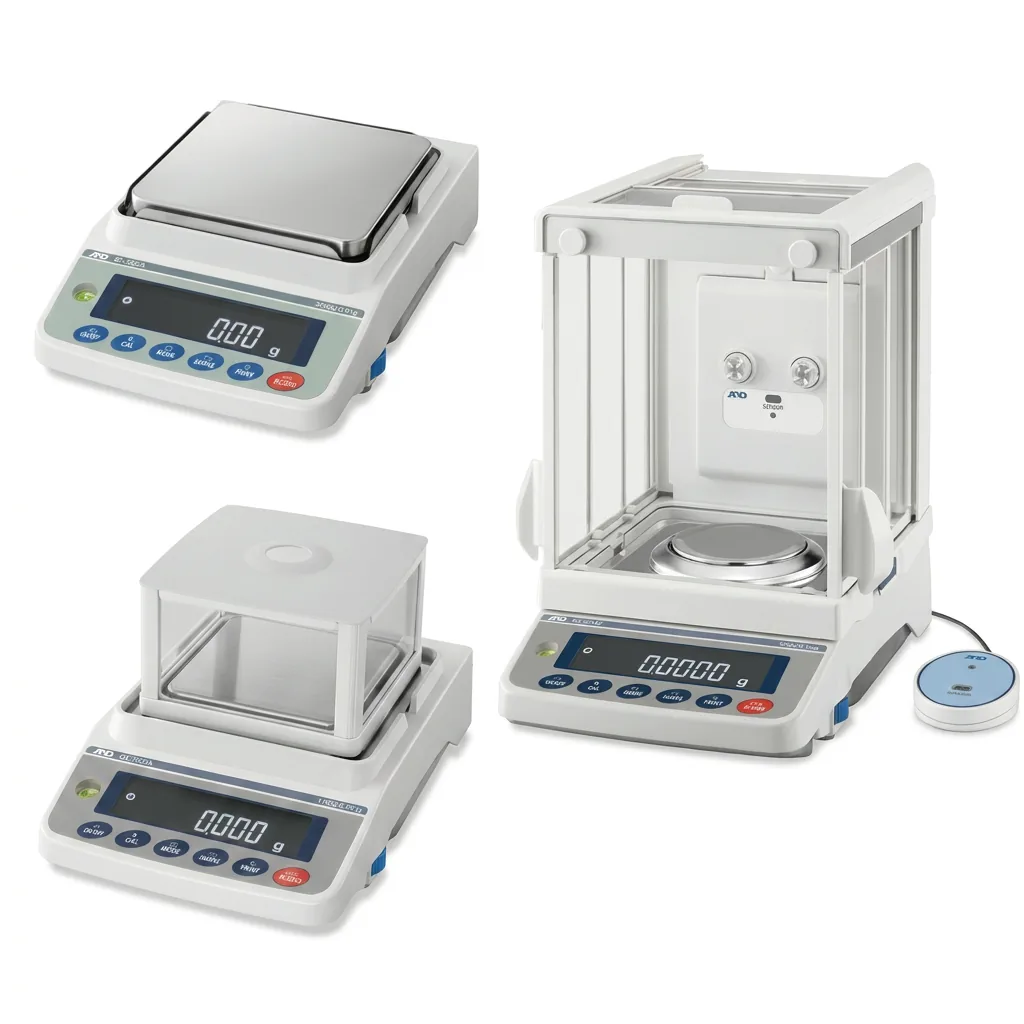
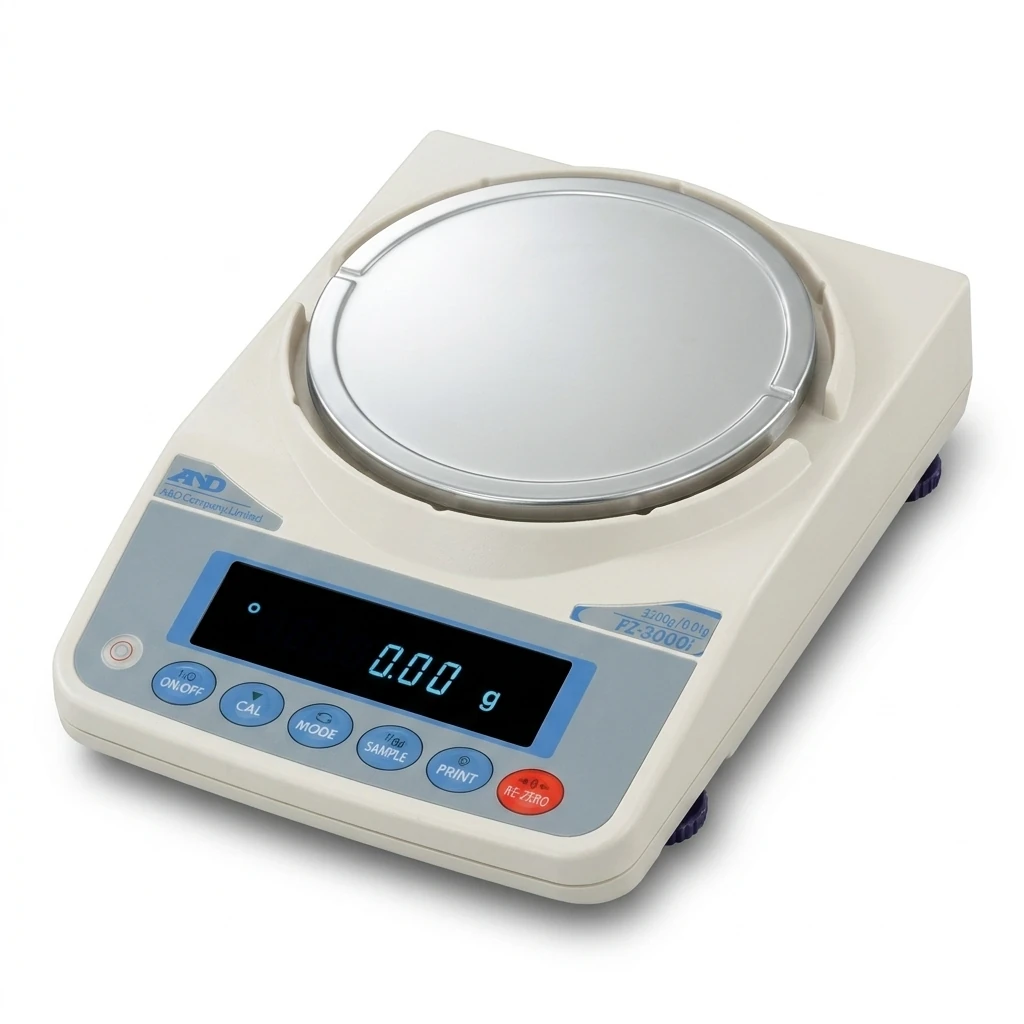
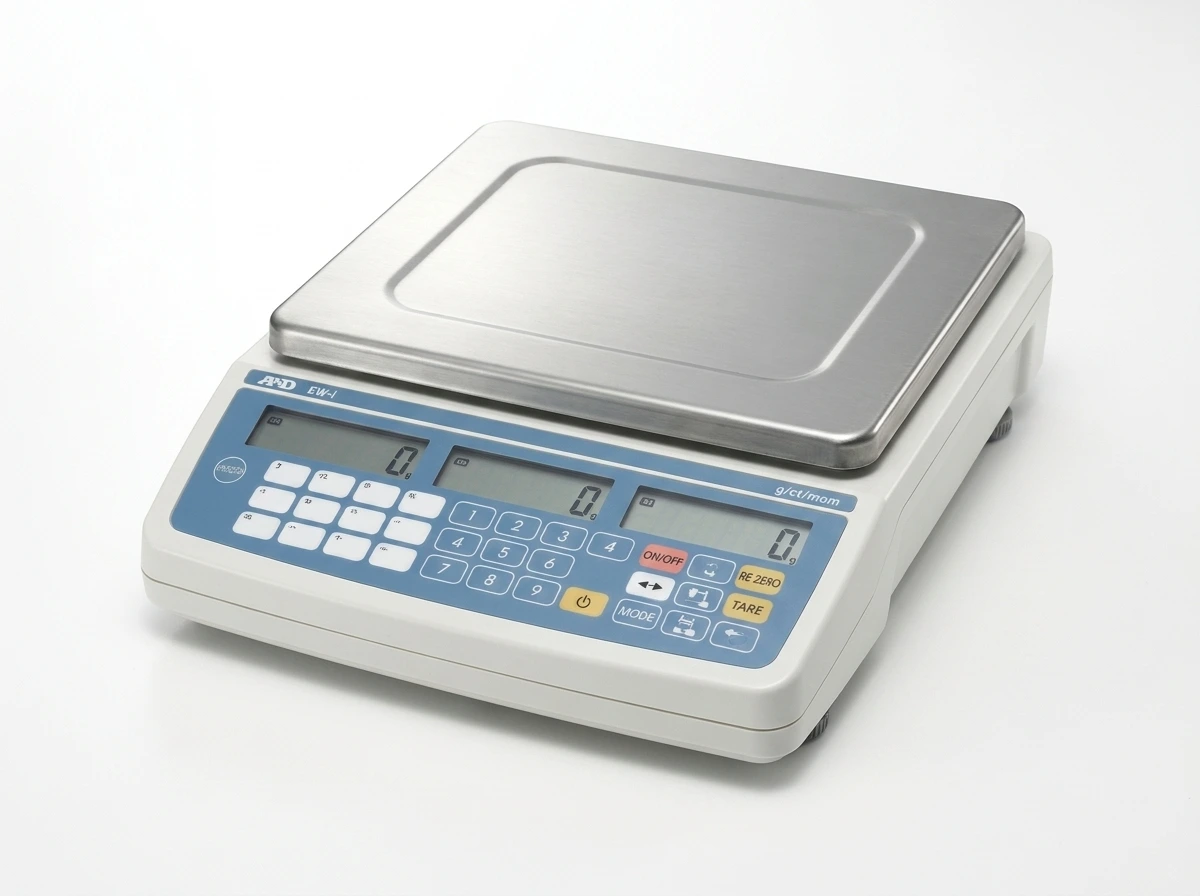
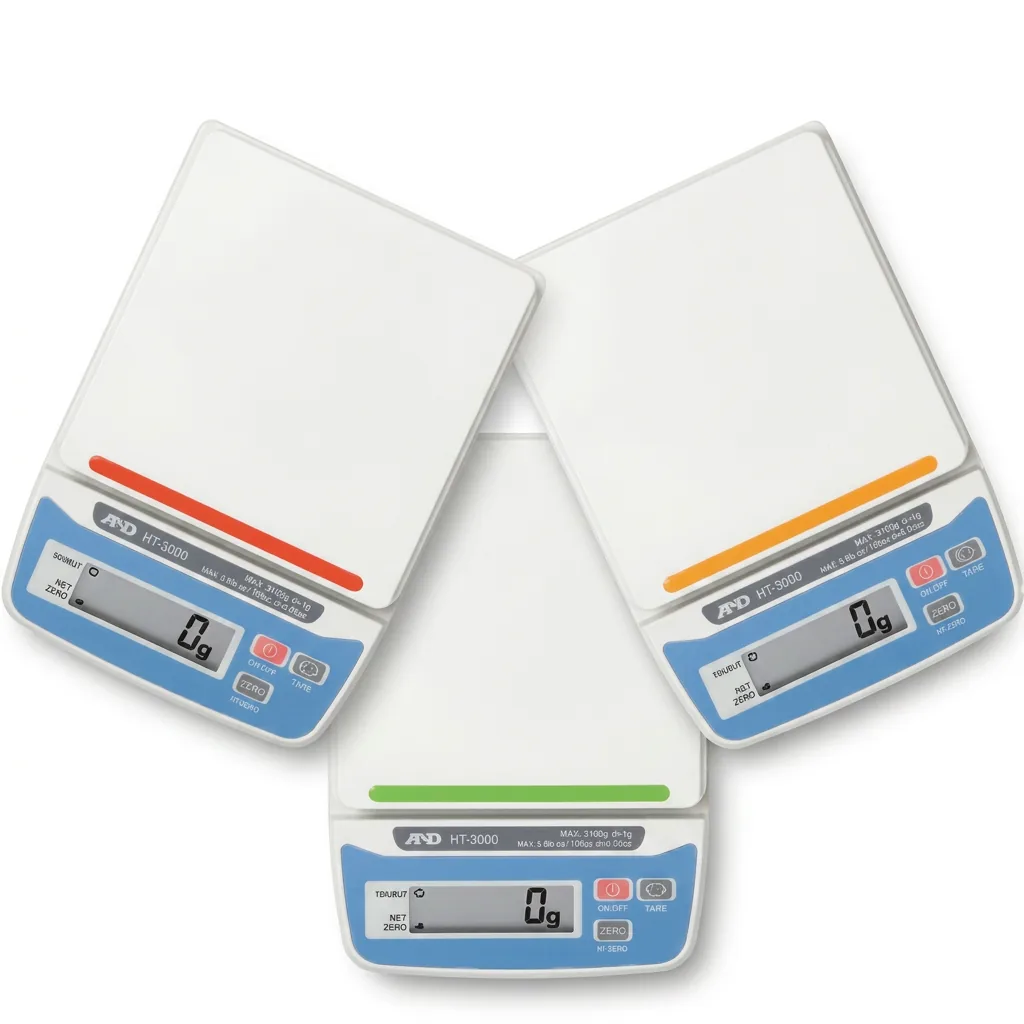
Compounding is where accuracy is won or lost. Every aromatic, fixative, and carrier in a formula is weighed to a target mass, and a deviation of a few hundredths of a gram in a high-impact material — an aldehyde, a musk, an oud accord — changes the finished scent. The working standard is 0.01 g readability, with 0.001 g for fine and micro work. A&D's Super Hybrid Sensor stabilises a reading in about one second, which compounds into real time saved when a perfumer weighs dozens of materials per formula. The GX-A/GF-A "Apollo" precision balances cover the formulation bench, while the FZ-i/FX-i and EK-i/EW-i Series suit production and dispensing benches where several balances run side by side.
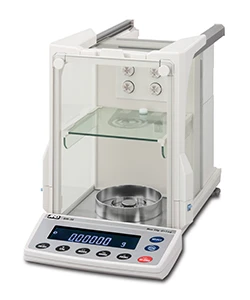
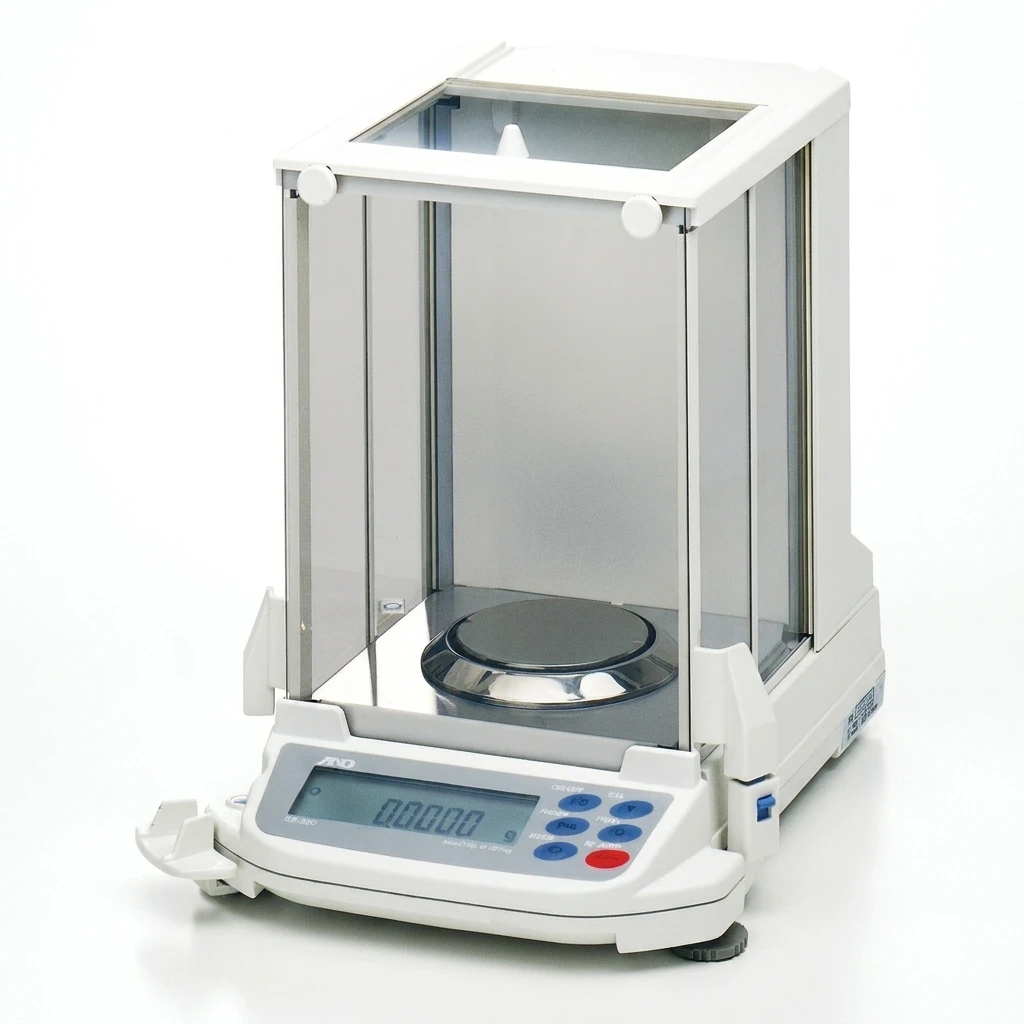
Oud oil, ambergris, musk, saffron, and rose absolute present a specific problem: they are extremely valuable, and they are handled in tiny quantities that are prone to static. Static charge on the pan or the sample vessel makes the reading drift, and a drifting reading on a material worth more per gram than gold is an expensive kind of uncertainty. The A&D BM Series semi-micro balances include a built-in fanless ioniser that neutralises that charge at the point of weighing, with readability to 0.001 mg. The interlockable draft-shield doors let an operator load a vial or crucible without disturbing the weighing chamber.
Grading and trade rely on measurement as much as production does. Density is a fast, practical indicator of an oud oil's character and resin content, and an A&D analytical balance with a density determination kit gives that figure directly. Viscosity also varies by grade and age, but conventional rotational viscometers demand a large sample and a difficult clean-down between grades — a genuine problem when the sample costs what oud oil costs. A&D's SV Series tuning-fork vibro viscometer measures from roughly 2 mL and rinses in seconds, so grading a series of oils no longer means writing off the sample. At the retail end, attar, bakhoor, and oud chips are sold by the gram over the counter, where the compact HT and EK-i Series are the practical fit.
Send us the model, the smallest quantity you need to weigh, and how many units — we will come back with a quotation.
Frequently Asked Questions
What balance do I need for perfume formulation?
Why do perfumers weigh ingredients instead of measuring by volume?
How do you weigh oud oil without static affecting the reading?
How is oud oil quality assessed by measurement?
Where can I buy a perfume or oud scale in Dubai?
What our customers say
“Great customer service! Mr. Abrar helped and guided us to buy the products that suited our needs … even sent us tutorial videos on how to calibrate and use our products. One of our main concerns were if this was legitimate and genuine AND Japan. They showed us proof of authenticity signed and stamped by AND Japan … Highly recommended.”
Authorised A&D Japan distributor since 1986 — proof of authenticity supplied with every order.
Read our reviews on Google →Equip your perfume bench, distillery, or souk counter
Talk to our Deira team about balances for formulation, oud-oil grading, and by-the-gram retail — demonstrations welcome.
A&D Gulf FZE · Jebel Ali Free Zone (JAFZA), Dubai · +971 4 881 9900